Orientation & tilt angles
How south-facing azimuth and a tilt near local latitude shape year-round production, and where east-west splits make sense.
Read guideResidential rooftop solar · Canada
A plain-language reference covering how azimuth and tilt shape annual yield, how snow load factors into roof and array planning, and what changes through a northern winter. Written for homeowners weighing a residential installation.
Topics
Orientation and tilt set the baseline yield. Snow load affects both structure and winter output. Together they explain most of the seasonal variation Canadian households see.
How south-facing azimuth and a tilt near local latitude shape year-round production, and where east-west splits make sense.
Read guideWhat ground snow load means for roof and array planning, why slope matters, and how snow tends to shed from glass surfaces.
Read guideWhy short days and snow cover reduce winter output, the role of steeper tilt, and what to expect month to month.
Read guideWhy it matters in Canada
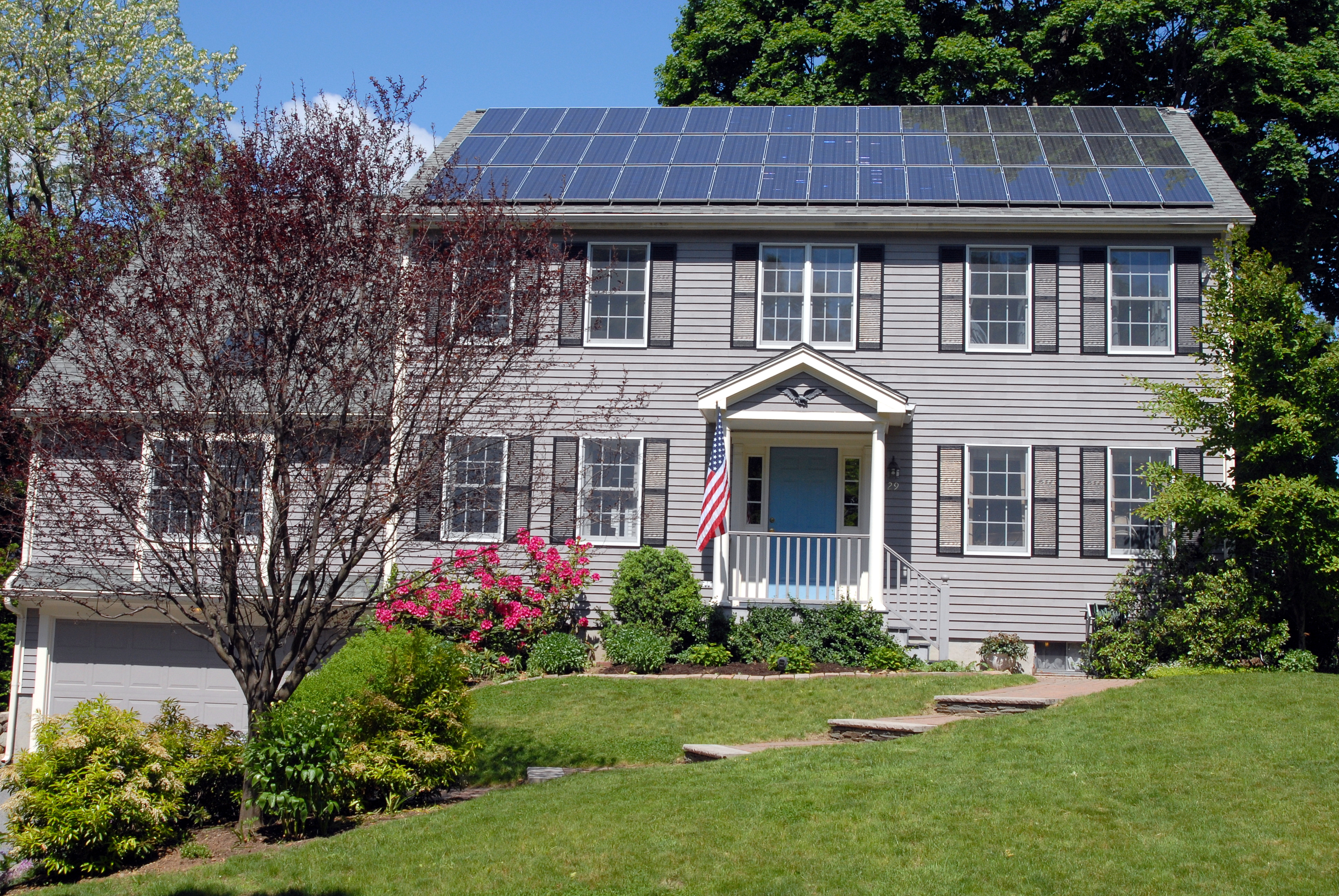
Across most Canadian cities, rooftops sit at relatively high latitude, so the sun stays lower in the sky and winter days are short. A tilt close to the local latitude balances summer and winter capture, while a steeper tilt favours the colder months and helps snow slide off.
Roof structure deserves equal attention. Snow accumulation adds weight, and design snow loads differ sharply between, for example, coastal British Columbia and the Prairies. These are local figures defined in building codes rather than universal numbers.
Reference, not advice
Contact
This is an independent informational reference. If you have a question about the material or want to flag a correction, send a note using the form. Submissions are handled in your browser only and are not transmitted to a server.
Reference address: contact@warmandgarden.org